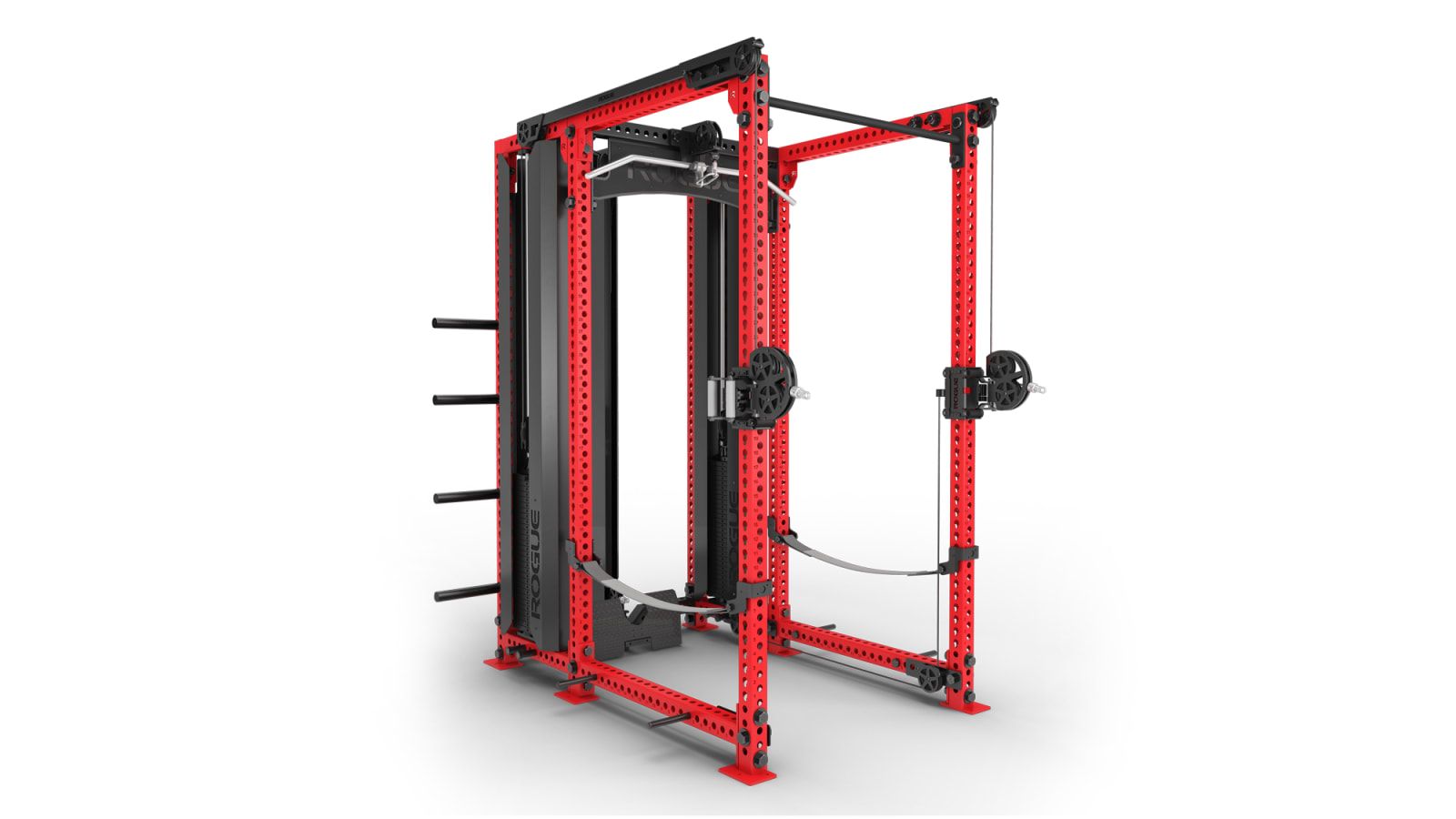
RogueFM-6 TwinView product photographs at the source
How to build a home gym you will actually use
A practical order of purchase, from the first useful setup to the equipment worth adding later.
Practical guides to racks, weights, cables and cardio. Compare the details, save a shortlist and work out what belongs in your room.
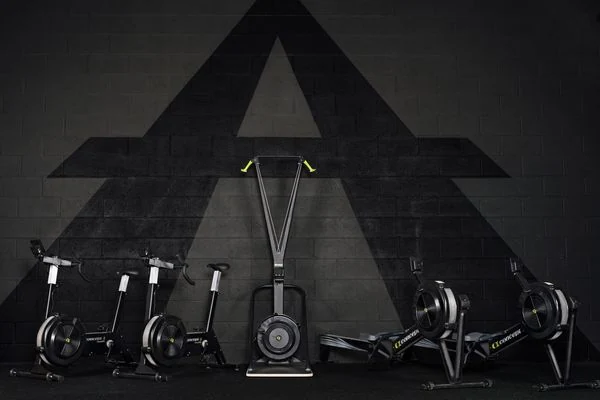
A practical order of purchase, from the first useful setup to the equipment worth adding later.
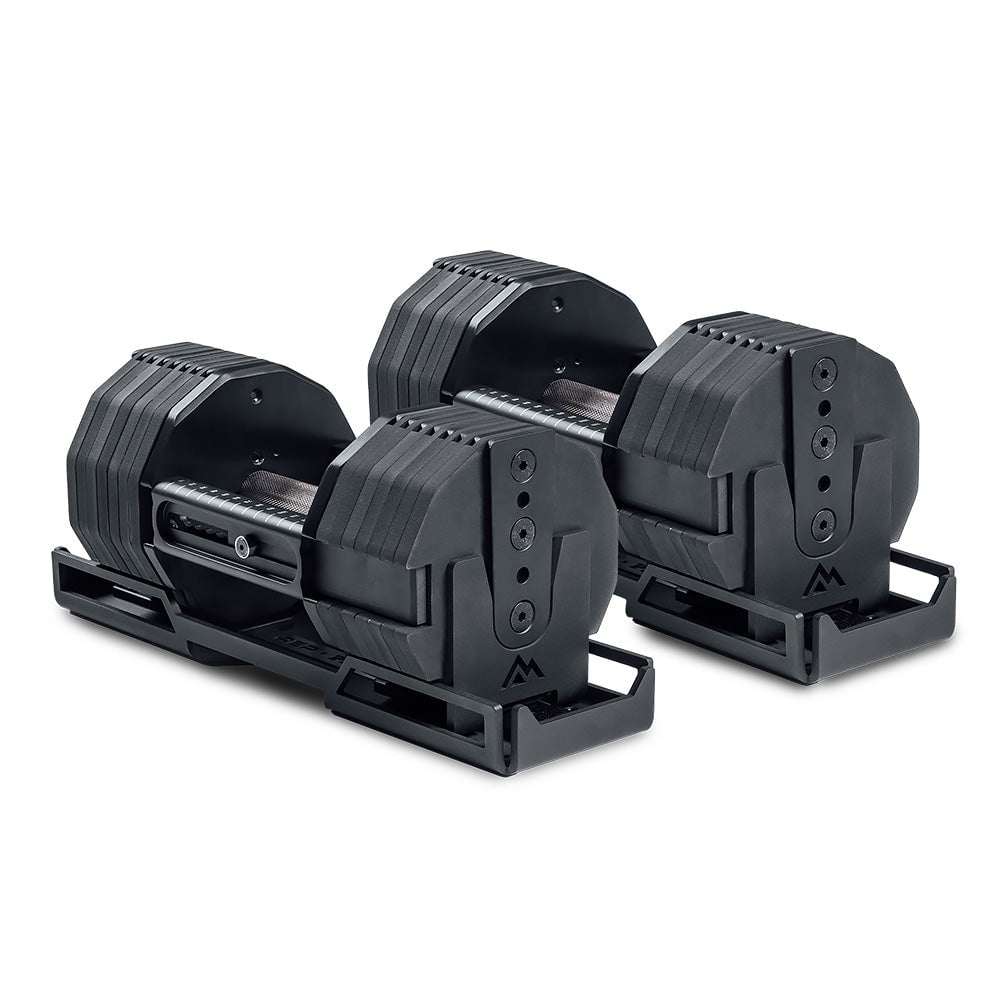
Weight range, increments, adjustment speed and package details matter more than the biggest number on the box.
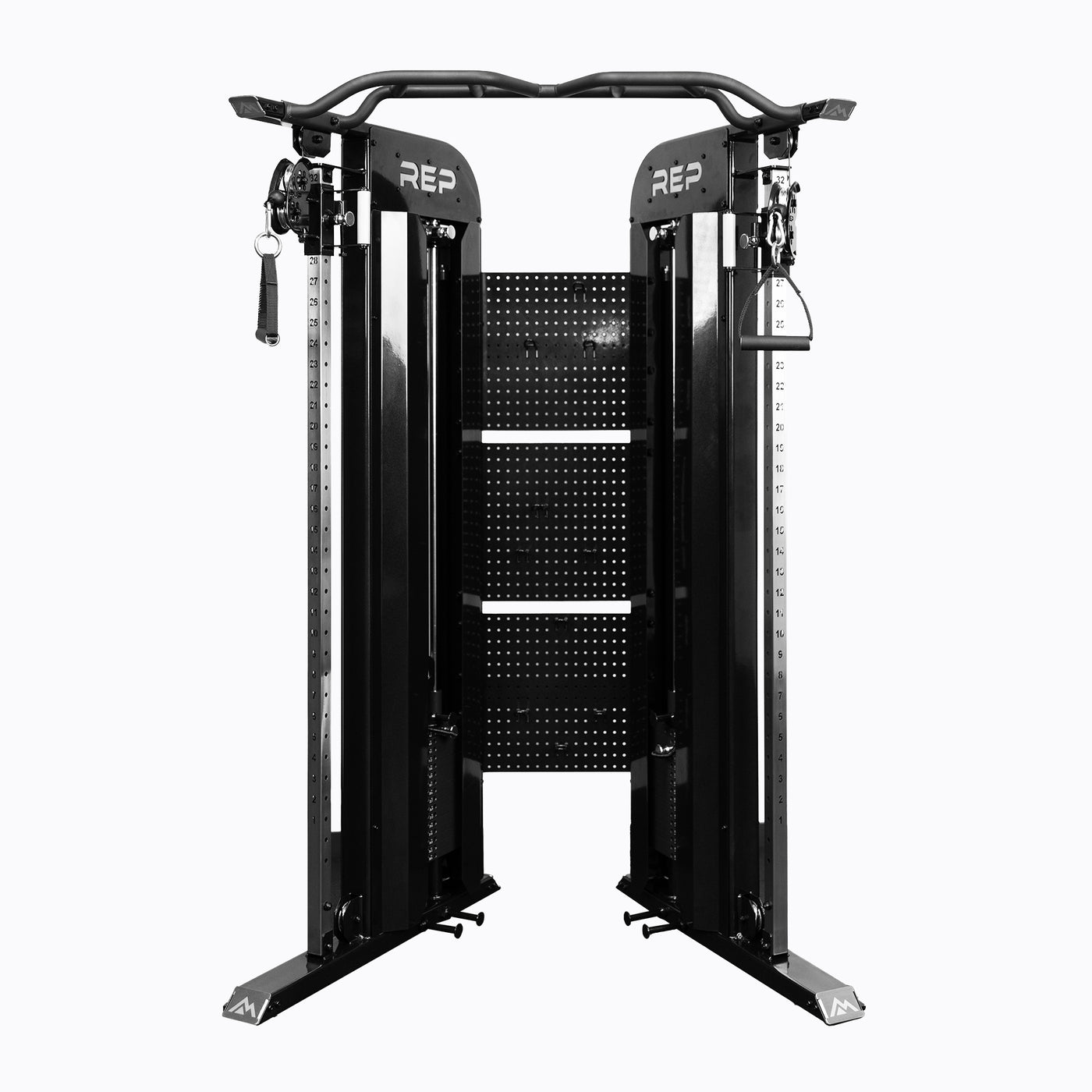
Understand pulley ratios, usable travel and the difference between a rack attachment and a complete station.
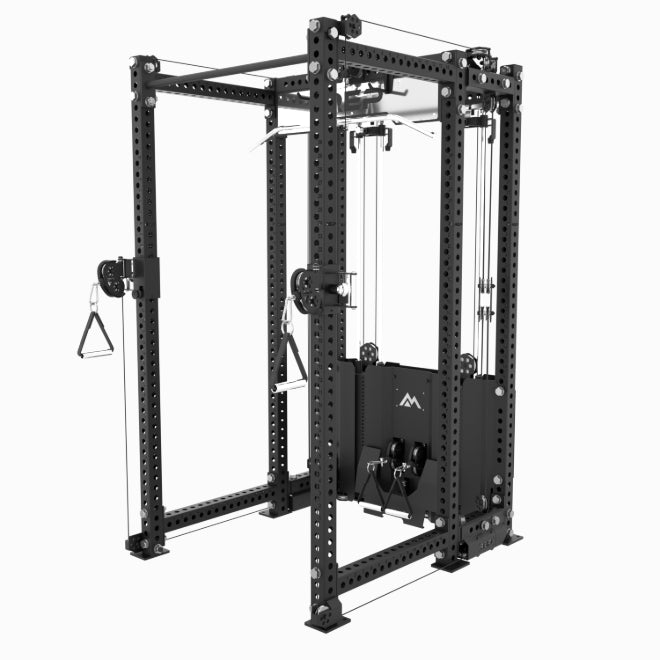
Your existing rack is the first decision. Cable loading and the finished room come next.
See the differences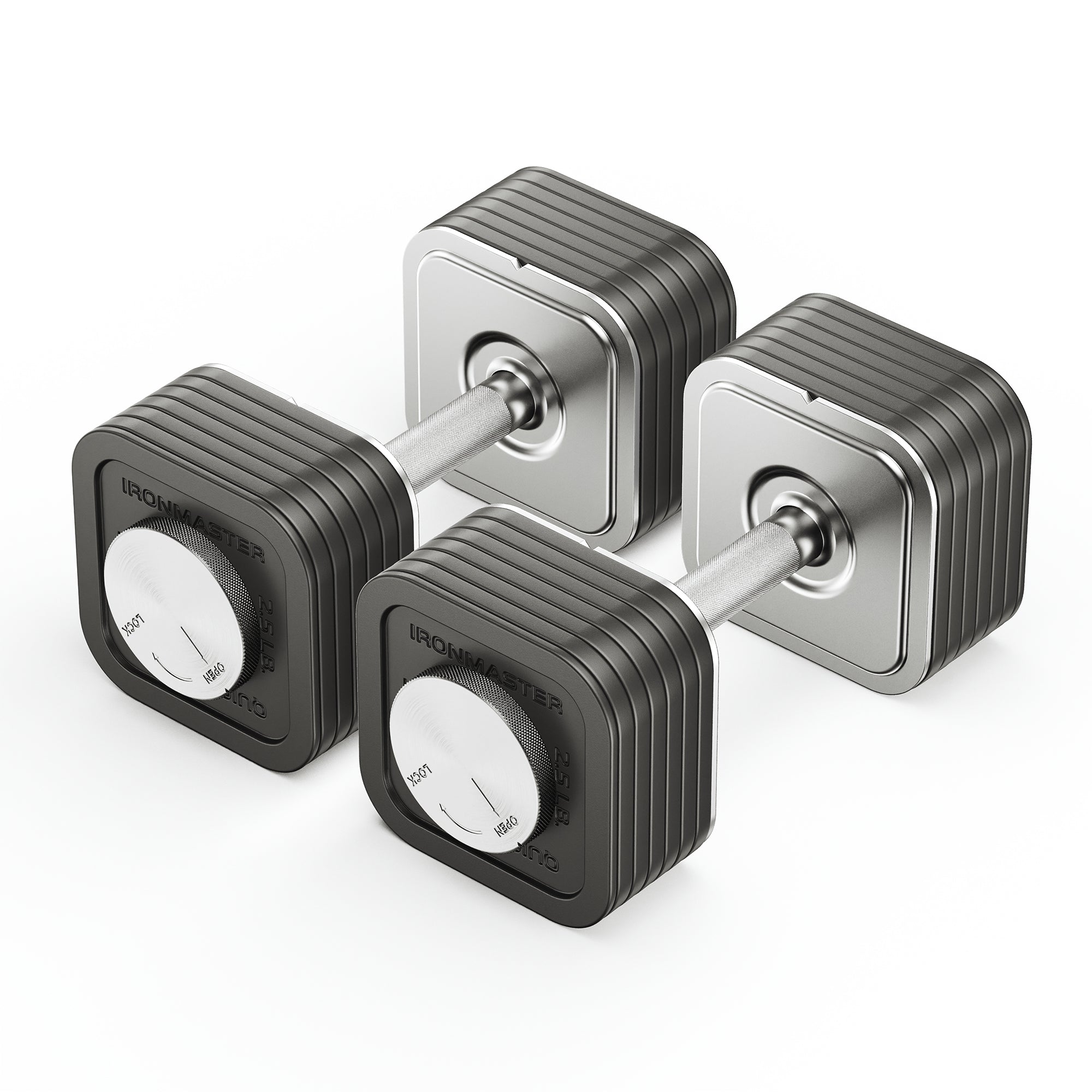
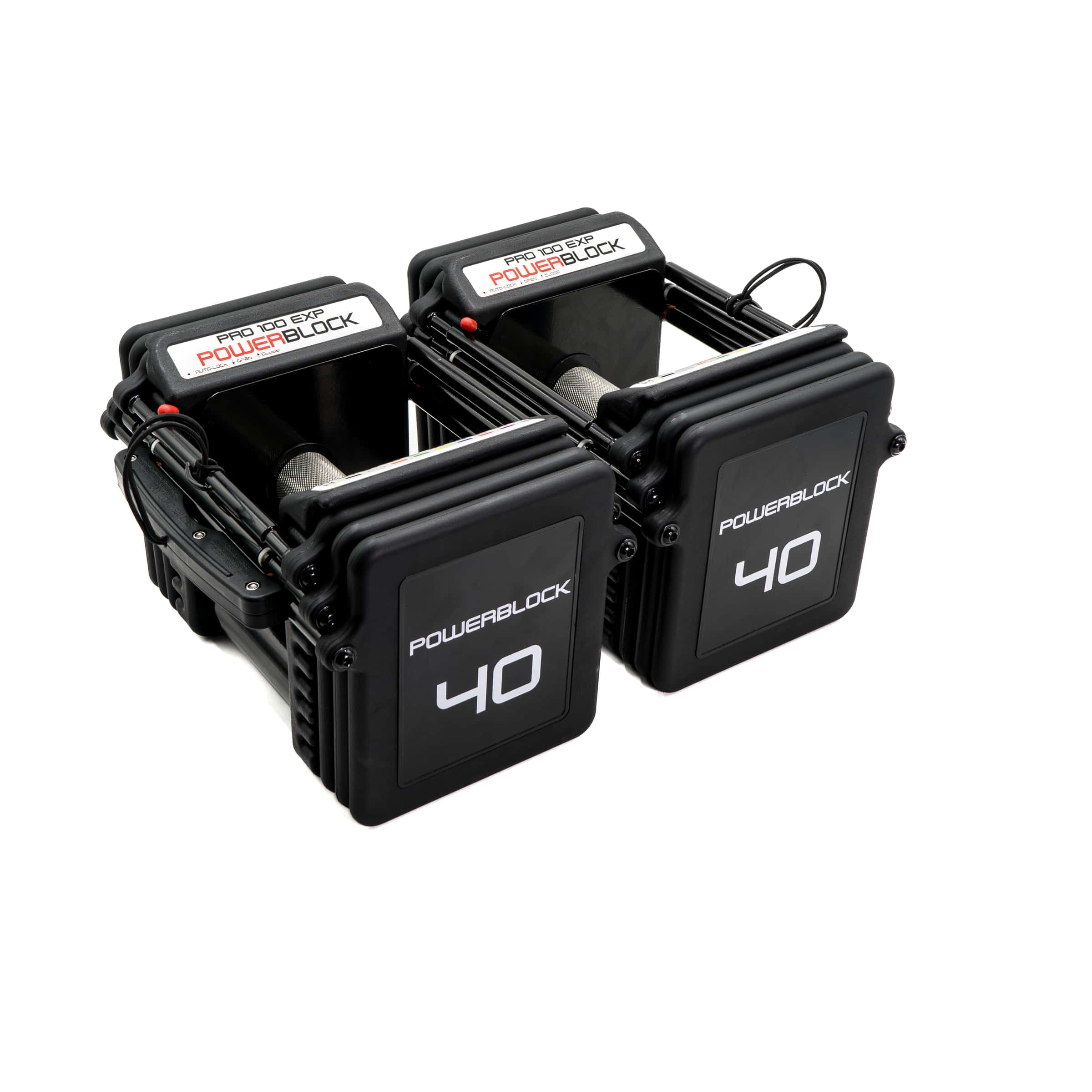
Ironmaster includes more weight here. PowerBlock makes the case for selector changes between sets.
See the differences
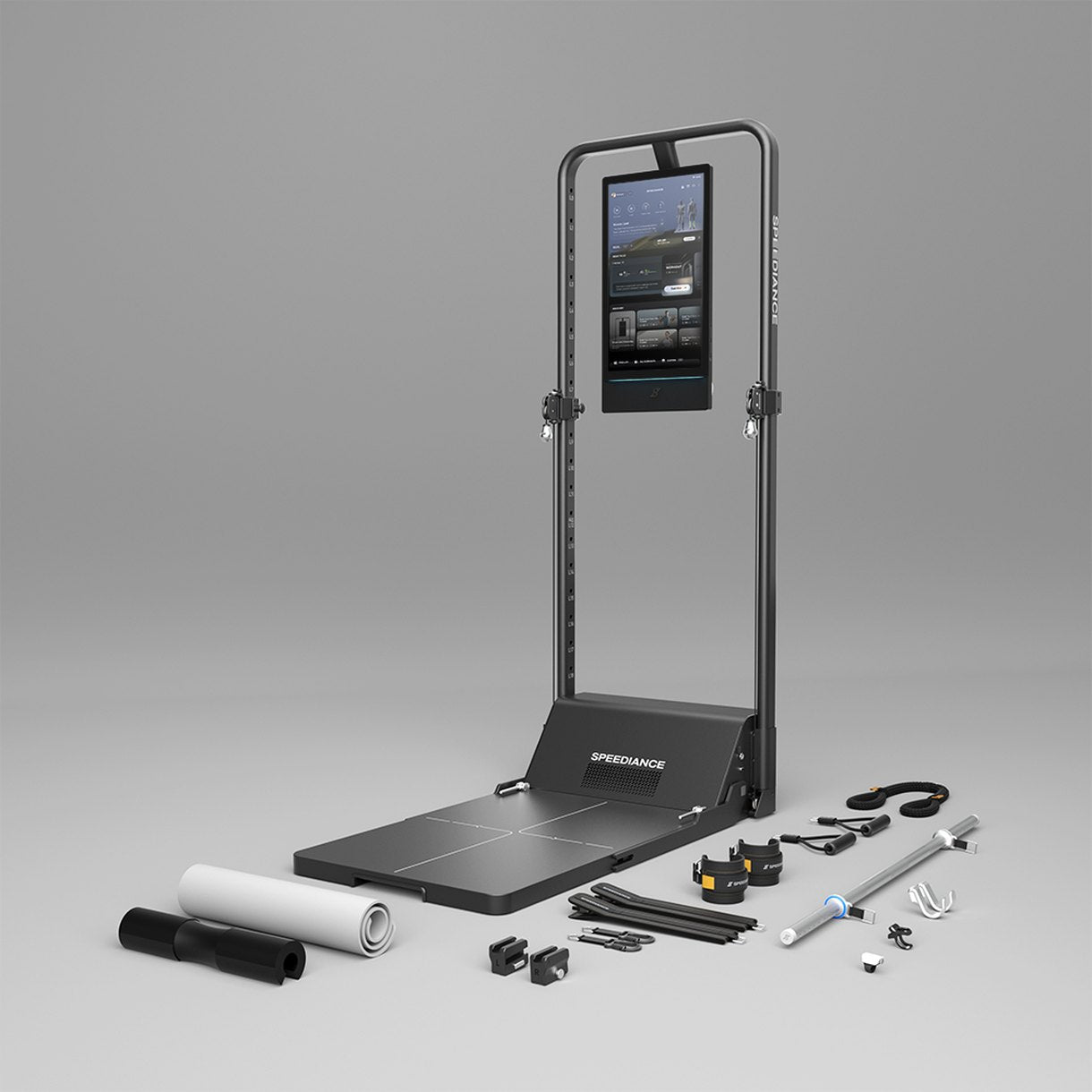
Add a cable to a rack you already use, or buy a complete two-cable training station.
See the differencesA heavy adjustable pair with steel plates, knurled handles and sliding selectors. The Australian base package reaches 42.5 kg per hand; matching additions raise that to 52.5 or 62.5 kg without replacing the cradle.
The FM-6 Twin puts two independent cable stacks inside a full Monster rack. Separate lat-pulldown and low-row outlets combine the stack outputs internally, so you can move between those stations and the adjustable handles without reconnecting cables.
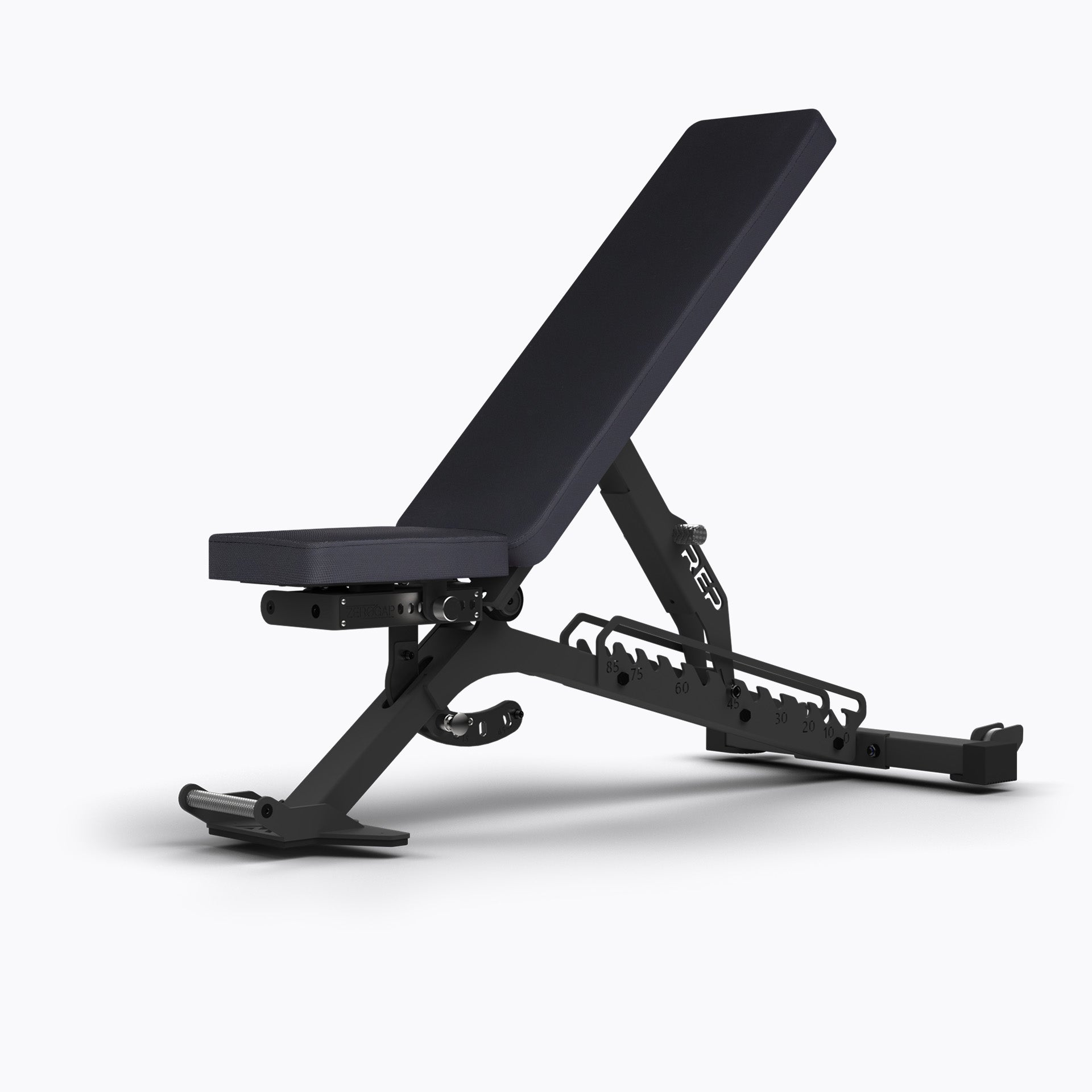
The BlackWing combines a declining backrest with a sliding seat that closes the pad gap. Twelve back angles and six seat positions give plenty of adjustment, but this is a substantial bench at 131 lb, or about 59.4 kg.
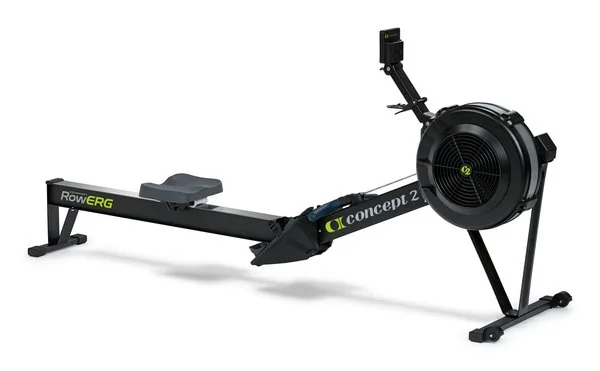
The RowErg uses an air flywheel, a sliding seat and the PM5 monitor to record each session. Its frame separates without tools, which makes storage easier once you have finished rowing.
Flooring, sensible storage and a fan can make the space easier to use every day. Here’s what to sort out before the next delivery.
Flooring, storage & cooling