Home gym equipment for a shared room
Choose equipment around the space it occupies during training and the effort of putting it away.
How we choose equipment About our buying links
In a shared room, start with a dumbbell pair and a bench you can put away without reorganising everything else. Add a cable to an existing suitable support if that fills a training gap. A folding rack is useful for keeping barbell work, but the bar, bench and plates still need storage.
In this guide
The shortlist
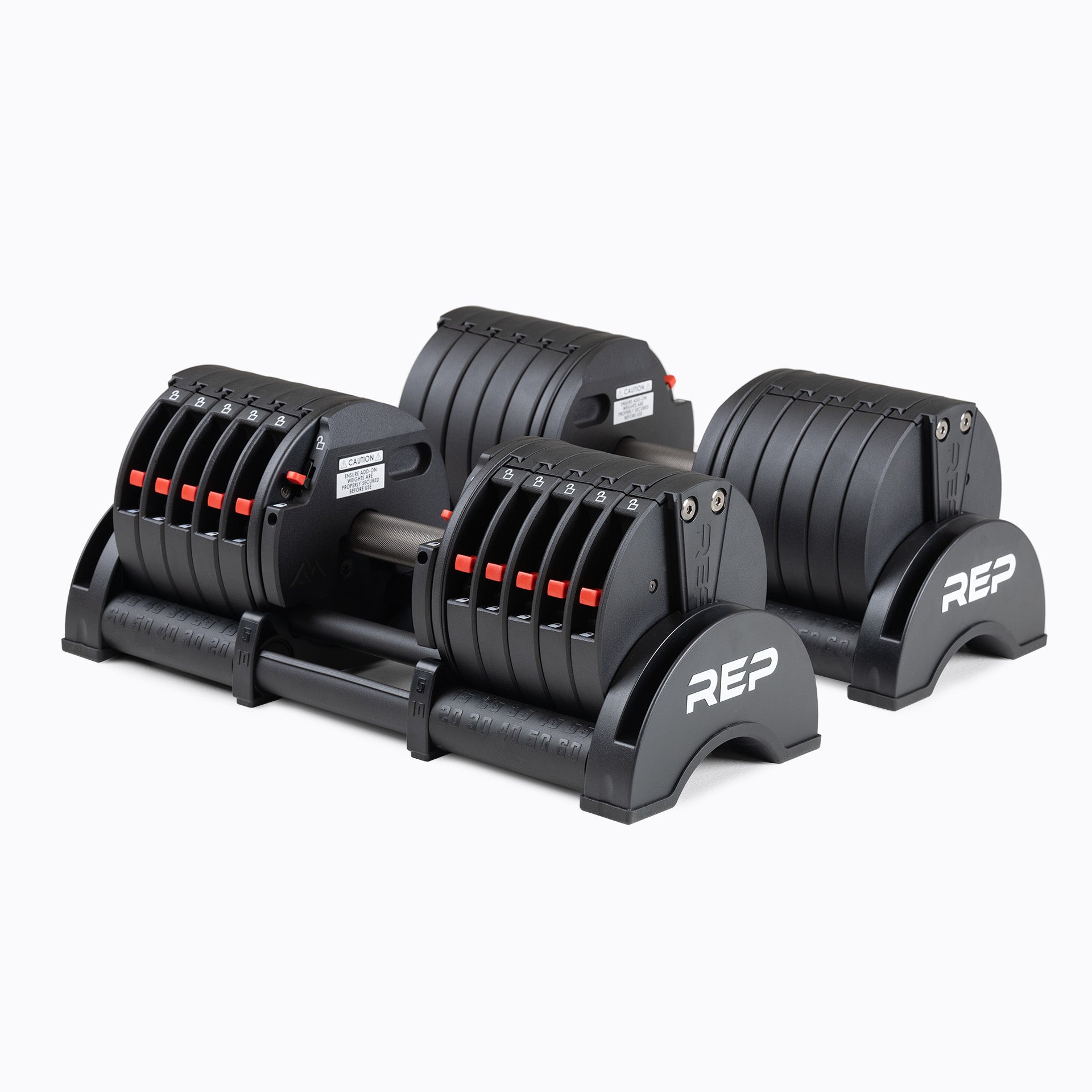
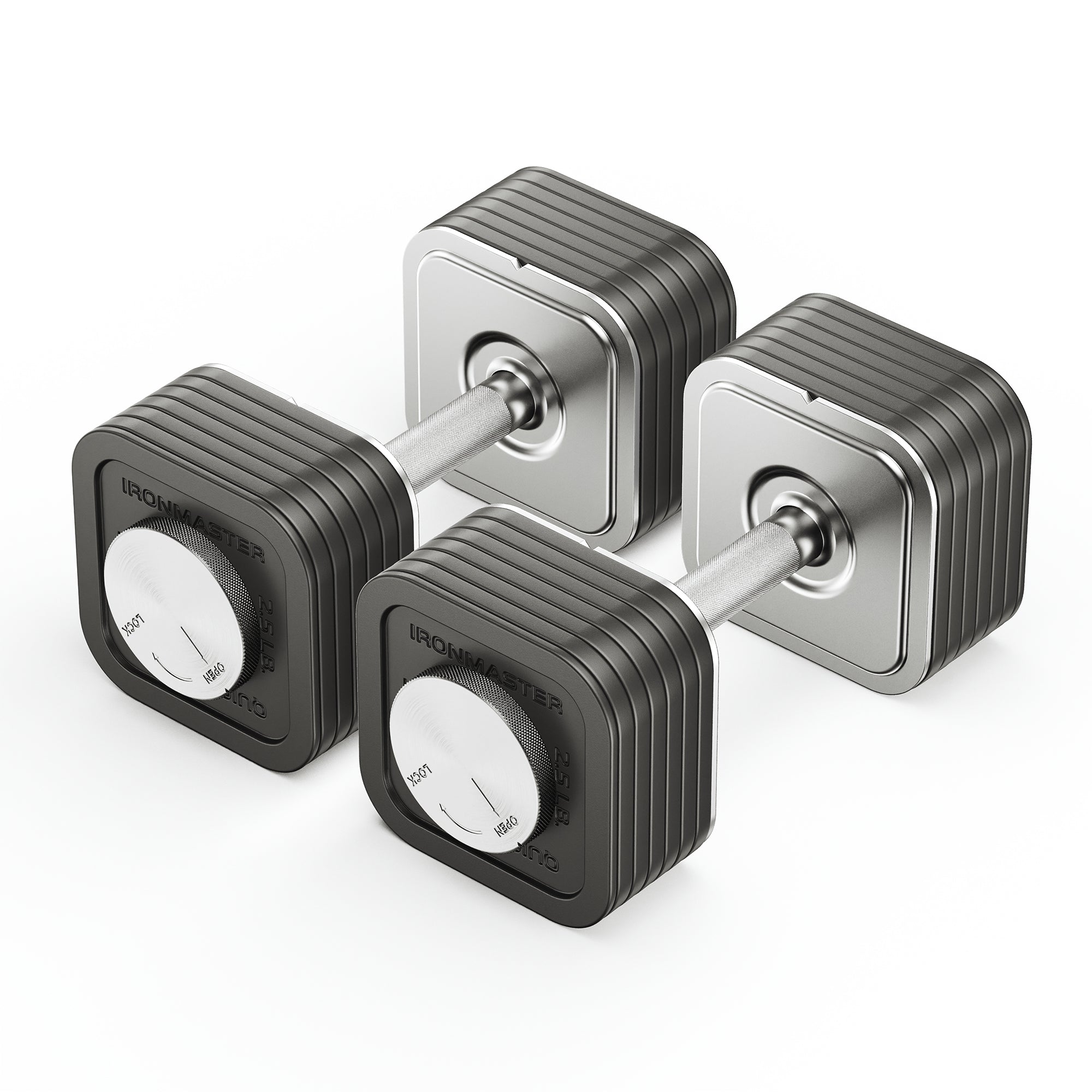
REP QuickDraw — 60 lb pair
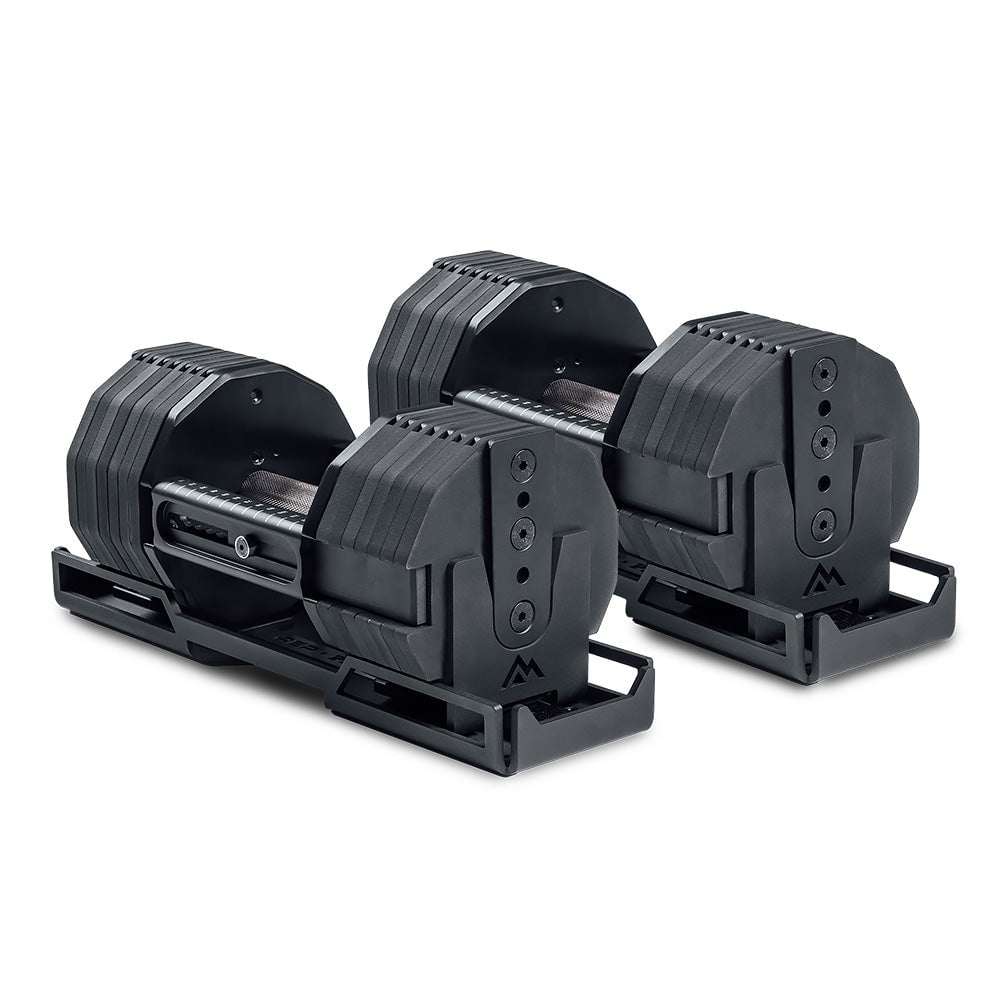
The 60 lb QuickDraw pair reaches about 27.2 kg per hand. Each cradle is about 52.3 × 21.5 cm, so plan a surface for both as well as space around the bench.
Details & retailers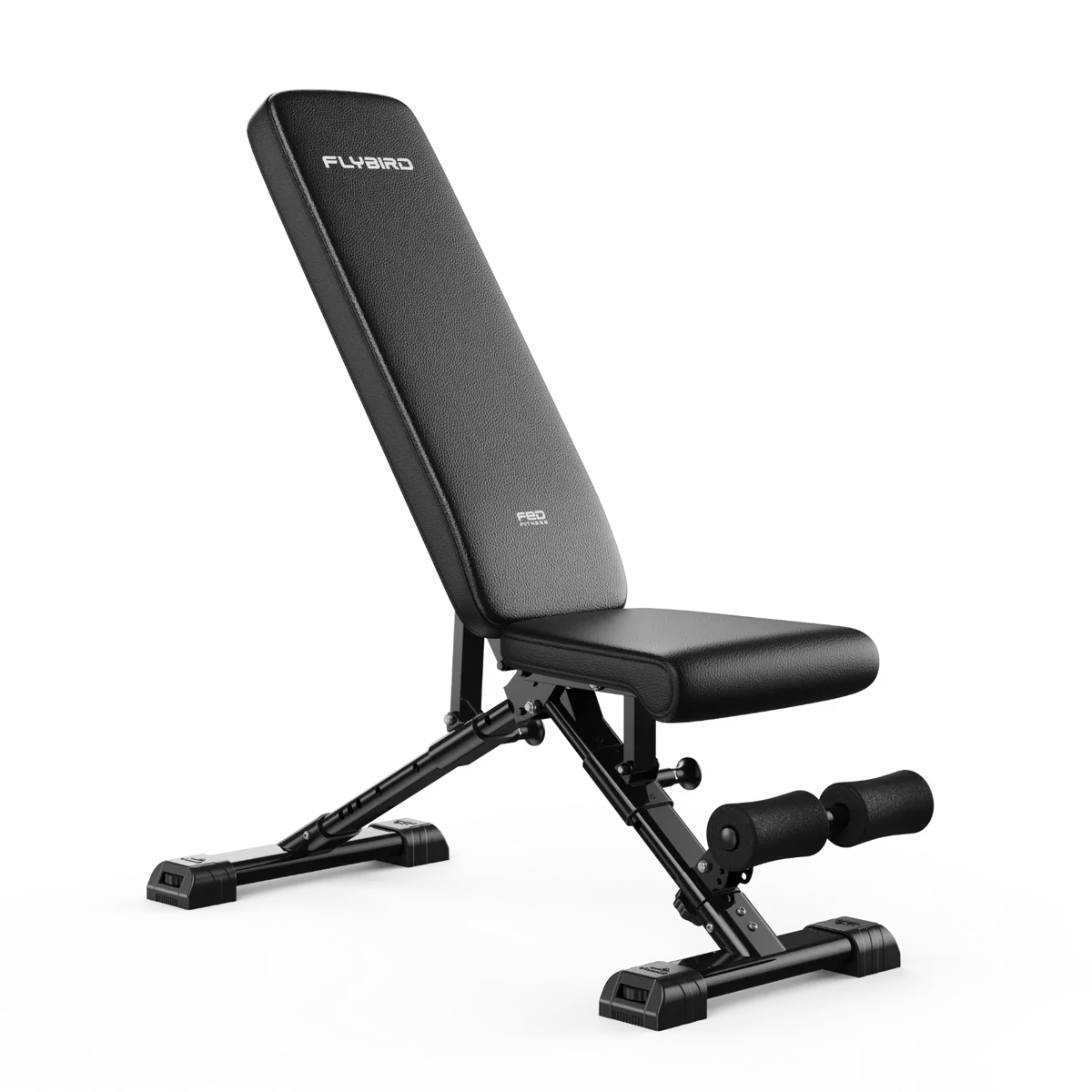
FLYBIRD WB5 folding adjustable bench
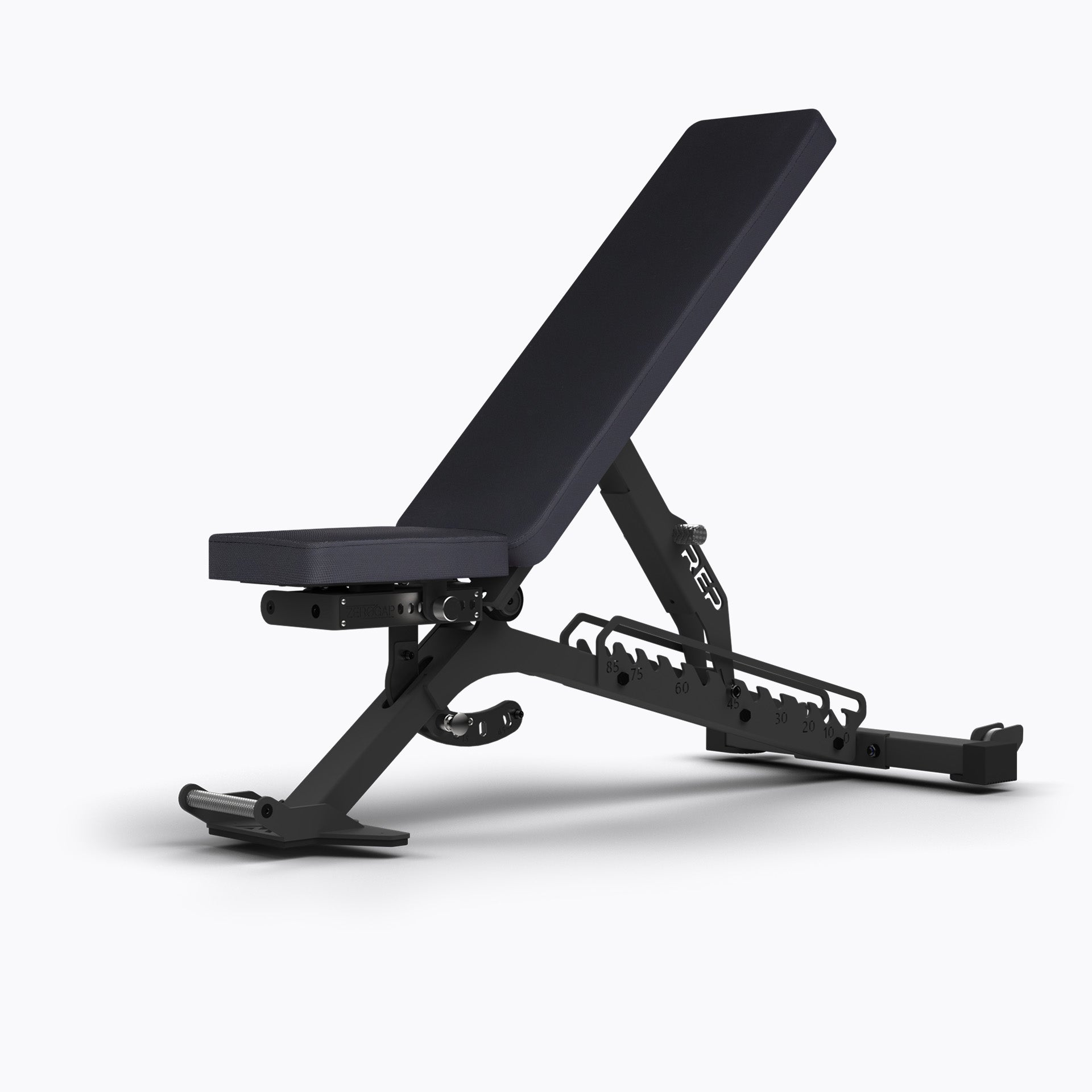
WB5’s folded thickness is about 21.8 cm. Measure the real opening under the bed or sofa, then decide whether its roughly 47 cm working pad height suits you.
Details & retailers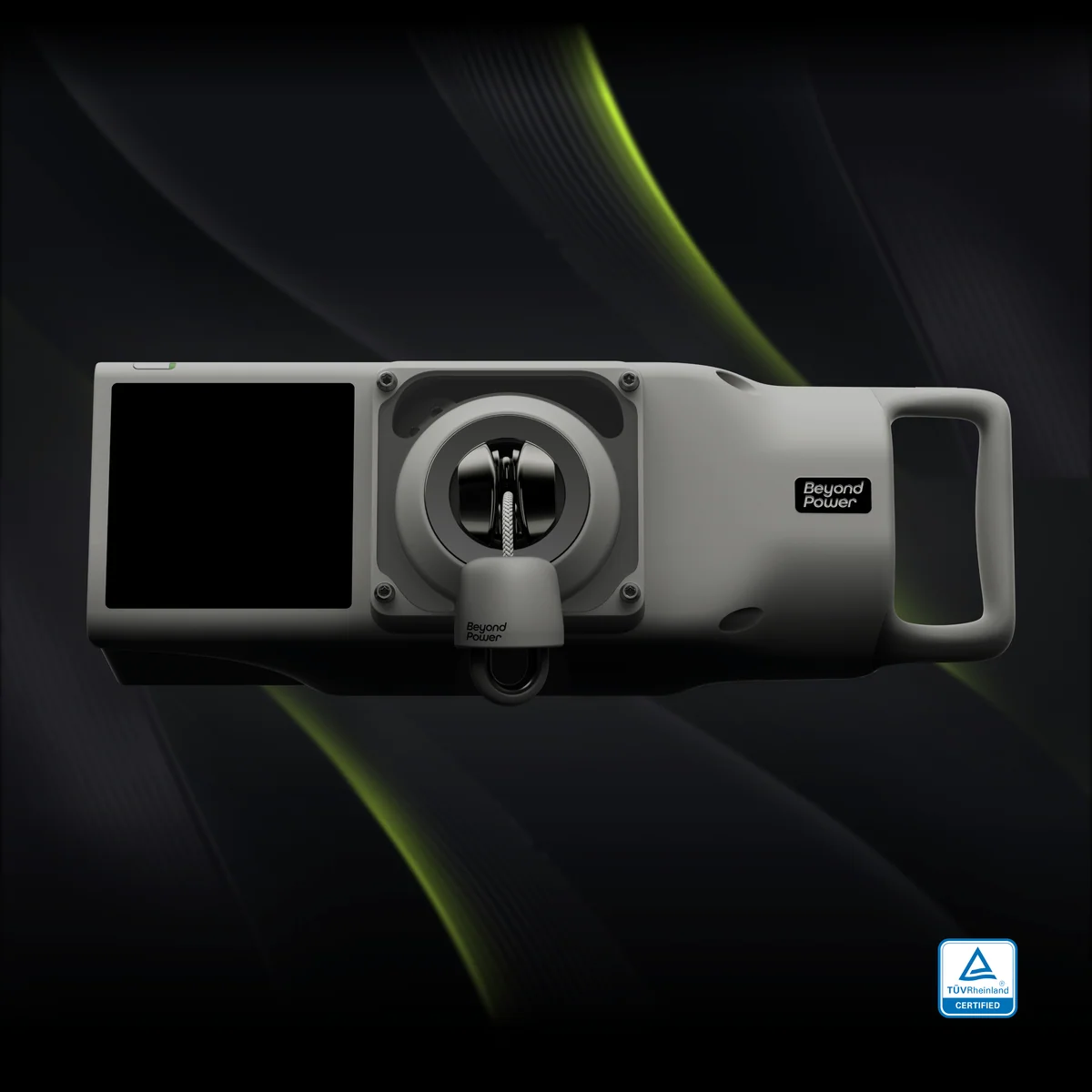
Beyond Power VOLTRA I — single unit
A small one-cable unit can add useful movements without another floor-standing machine. Its benefit depends on having suitable high and low mounting positions.
Details & retailers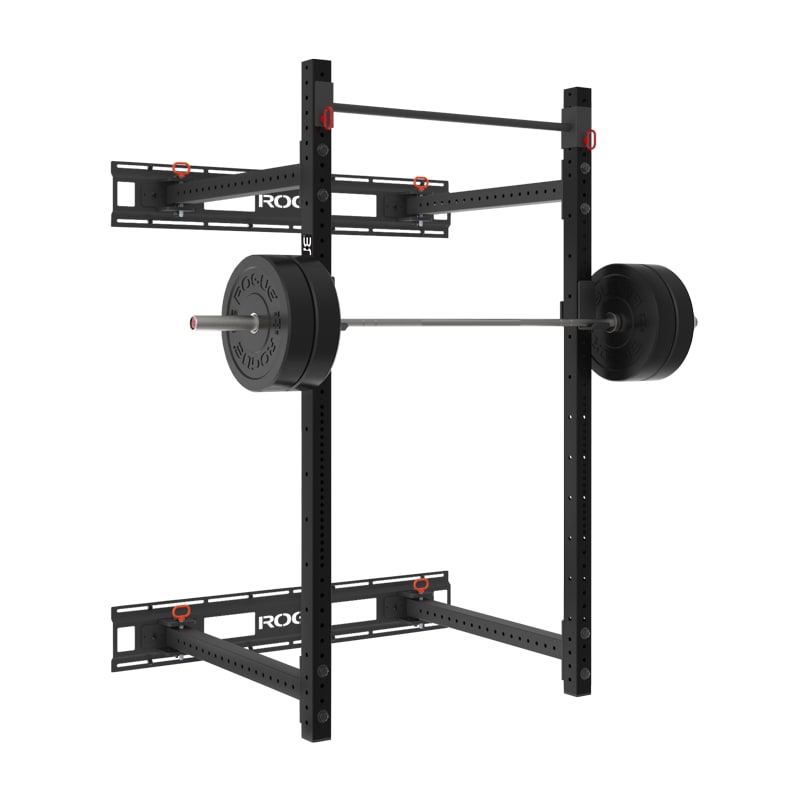
Rogue RML-3W Fold Back
The wall rack folds sideways after the pull-up bar is removed. Its deeper version needs more wall space when folded, and the wall installation must suit the planned lifts.
Details & retailersGive the training area priority over storage
Draw the room once with equipment stored and once with someone using it. Put the bench at your usual incline, place the dumbbells beside it and open the door. A clear centre often gives you more useful exercises than another machine squeezed along a wall.
- Keep the route to the bench clear while you are carrying weights.
- Place cable handles and plates within reach without spreading them around your feet.
- Leave the storage position accessible after the session; otherwise folding equipment tends to stay open.
How heavy is it to put away?
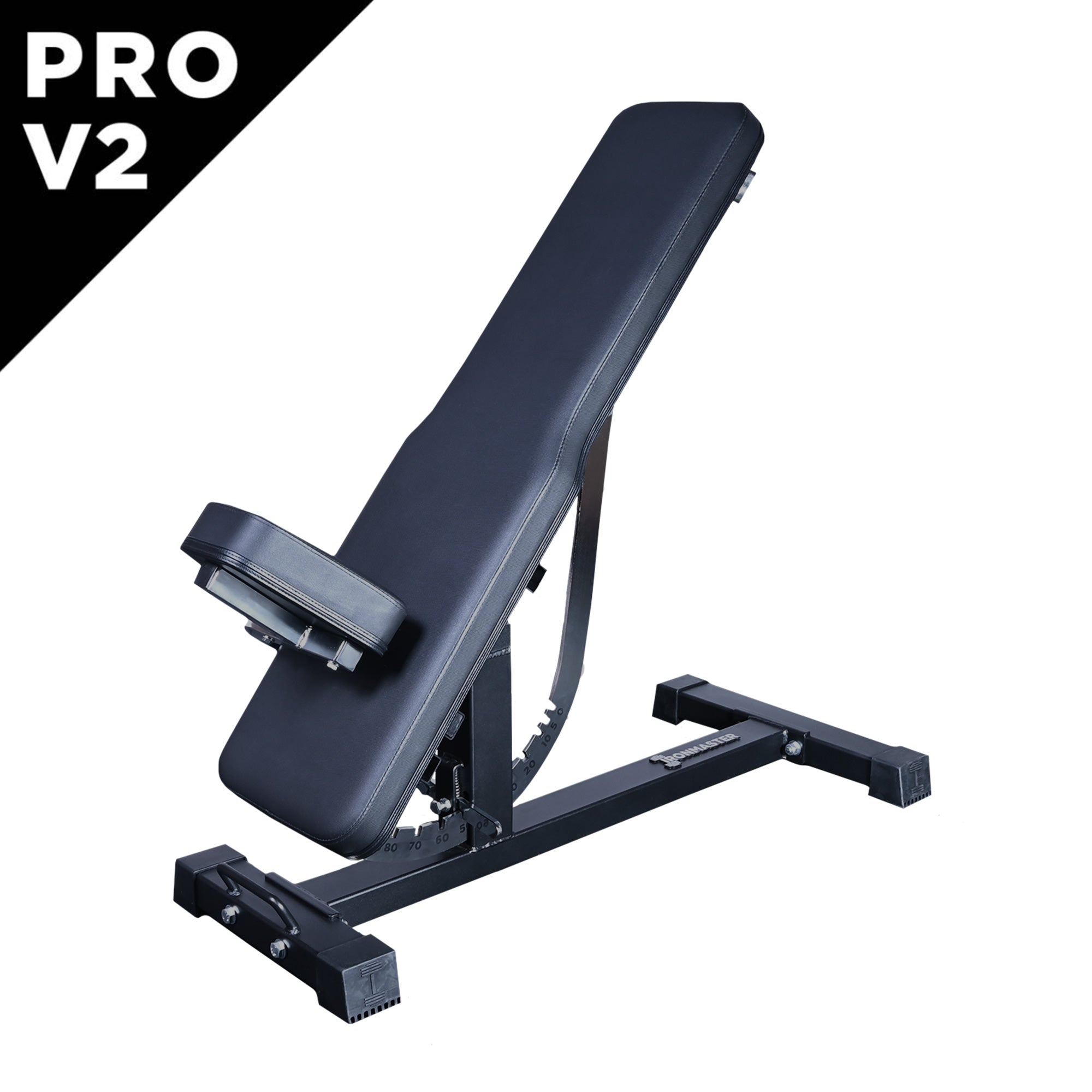
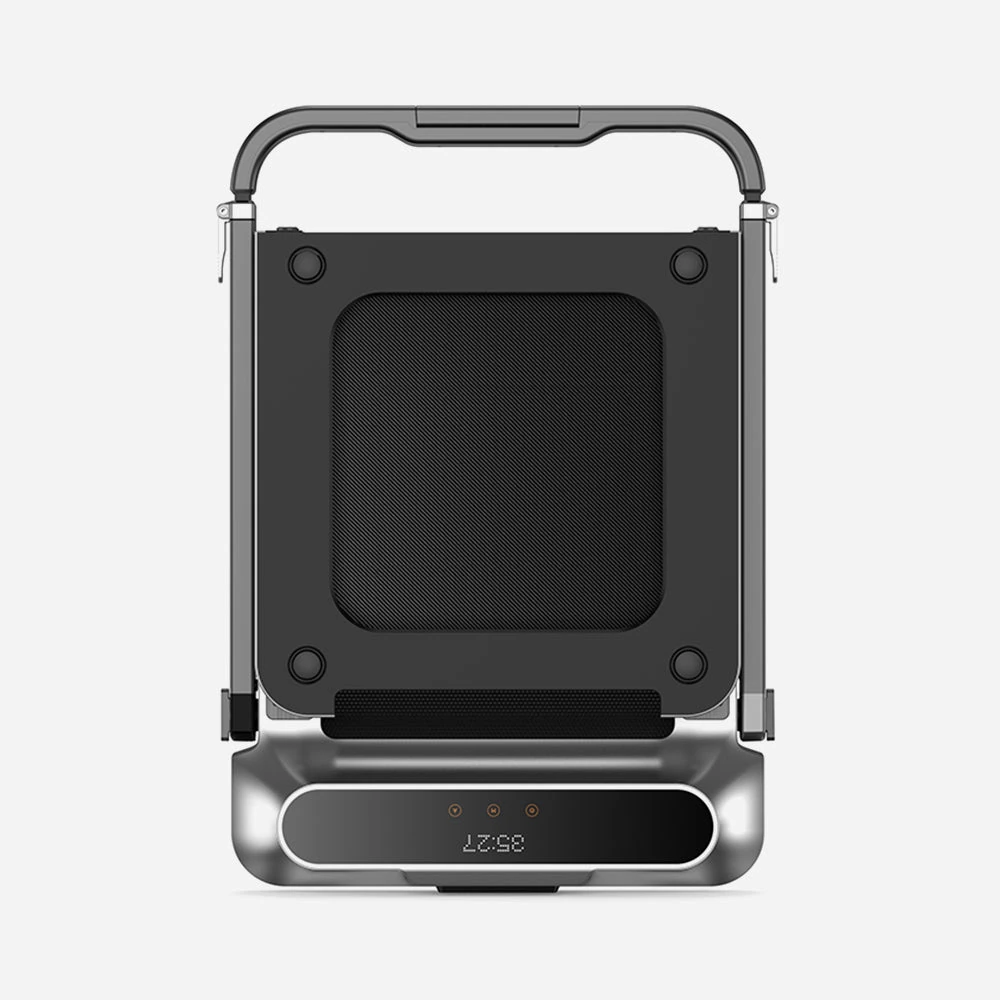
WalkingPad R2 folds to 100 × 72 × 16.2 cm, but still weighs 36 kg. Ironmaster’s Super Bench PRO V2 has wheels and upright storage, while its continuous pad works differently from a folding two-pad bench. Choose the moving routine you are willing to repeat.
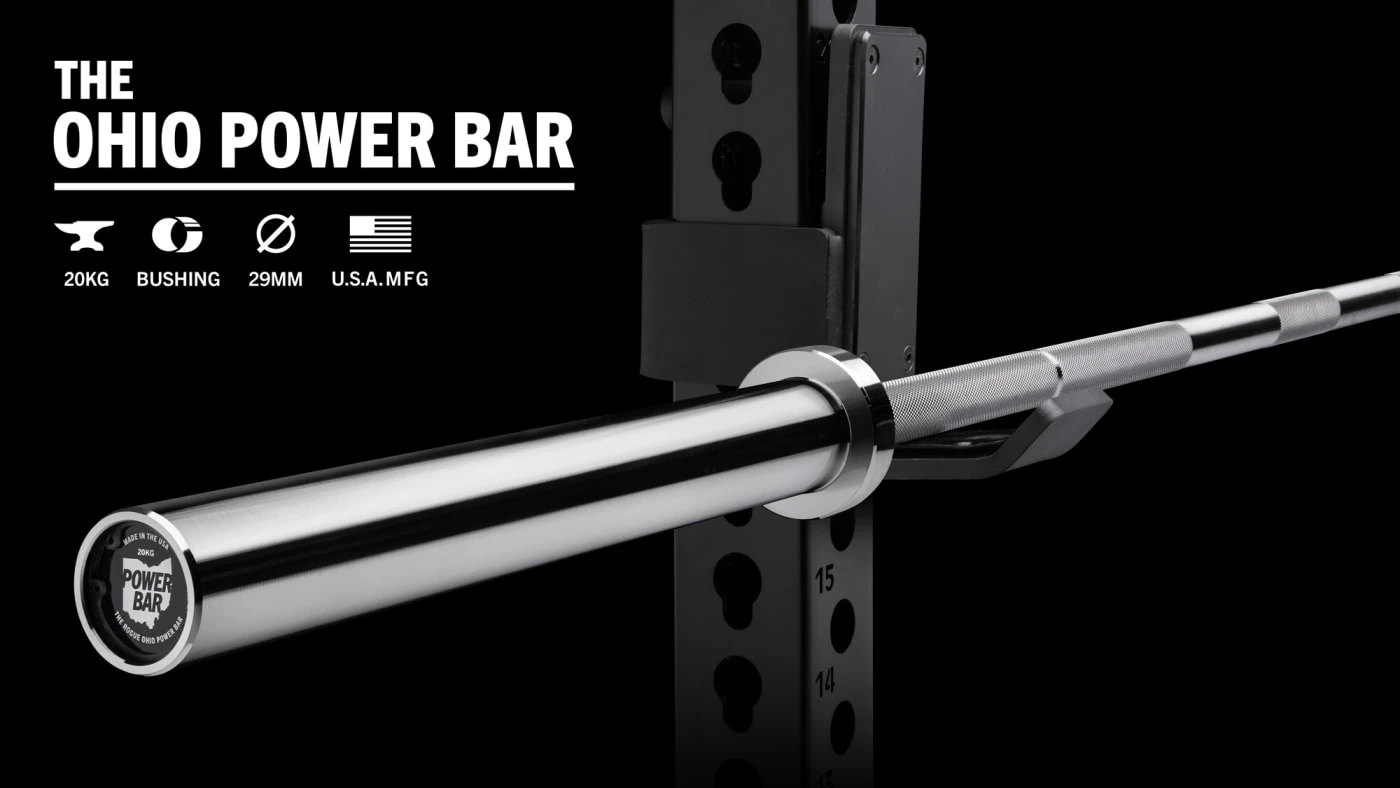
A rack needs more than its stored projection. A 2.2 m bar still needs room to load both ends when the rack opens. Draw the bar and plate storage on the plan before reserving the freed space for a car or desk.
When you need more weight or another exercise
A heavier adjustable pair is useful when you outgrow the current one. A portable cable is useful when it adds the rows or raises you miss. A large combined machine deserves the room only when several of its stations will replace equipment or regular gym visits.
More equipment mentioned
Sources
- Ironmaster US 75 lb set specifications and price
- Sam’s Fitness Australian no-stand pair
- REP product information
- Ironmaster PRO V2 specification and capacity by position
- Sam’s Fitness Australian PRO V2 listing
- Beyond Power product, mount and shipping information
- KingSmith specifications and package details
- FED Fitness product information
- Rogue RML-3W dimensions and installation notes
- Rogue Australia rack and stringer options