Buying used gym equipment
Inspect the exact machine, identify the missing parts and price the move before deciding that it is a bargain.
Used equipment can be worthwhile when the model is identifiable, its condition can be checked and the necessary parts are available. Compare the complete usable cost with a new purchase, including collection, repairs, missing accessories and any software or service limitations.
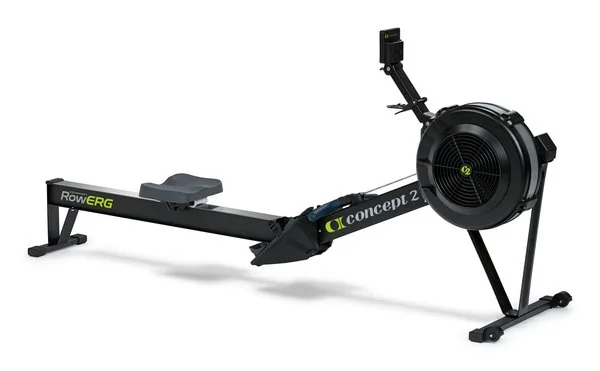
RowErg combines an air flywheel, sliding seat and PM5 workout monitor. This standard-leg model separates into two sections without tools, keeping storage manageable once the rowing area is clear.
Photo: © Concept2, Inc.Know whether the seller is a business or a private owner
An online marketplace can contain both. Most consumer guarantees do not apply to a genuine private sale between people who are not operating a business, although guarantees concerning title, undisturbed possession and hidden debts or charges still apply. A business selling second-hand goods has different responsibilities.
Ask who is selling the equipment and retain the advertisement, correspondence and receipt. A seller calling an item “commercial” tells you very little about its previous workload or whether the sale is a business transaction.
Sources: Product Safety Australia — second-hand and private sales
Get the model before planning the inspection
Request a photograph of the model and serial label, the full assembled item and each included attachment. Look for the original manual and check Product Safety Australia for relevant recalls. An apparently familiar frame may be an earlier version with different cables, mounting holes or parts.
Write down what is missing before discussing the price. A replacement selector, control board, proprietary dumbbell tray or bench attachment can be harder to source than ordinary cosmetic wear suggests. Ask the manufacturer or Australian supplier about the actual part number.
Sources: Queensland Office of Fair Trading — second-hand goods · Product Safety Australia — recalls and unsafe products
Inspect the parts that carry or restrain the load
Follow the manufacturer’s inspection guidance. Look for damaged frames, missing hardware, deteriorated straps, worn cables, cracked pulleys and adjustment mechanisms that fail to engage. Do not accept a description of “just needs tightening” in place of identifying the fault.
Try adjustments through their normal range before loading the equipment. A safe demonstration can show that a mechanism operates, but it cannot establish the remaining strength of damaged material. Get an appropriate technician to assess anything you cannot judge.
| Equipment | Questions for the inspection |
|---|---|
| Adjustable dumbbells | Do both handles lock at every intended setting, and are all trays and plates included? |
| Rack or bench | Are the frame, welds, pins, pads and original safety fittings intact? |
| Cable machine | Are the cables, pulleys, guides and stack selector complete and serviceable? |
| Cardio machine | Does it operate normally, and can the maker still supply the model-specific wear and electronic parts? |
Sources: Queensland Office of Fair Trading — second-hand goods · Concept2 — RowErg maintenance
Be more careful with powered and connected equipment
Check that an electrical item was intended for Australian use. Energy Safe Victoria advises checking approval, damage and electrical safety testing when buying second-hand appliances. A normal-looking plug or a successful short demonstration does not establish electrical safety.
For connected equipment, ask the manufacturer about transfer to a new account, subscriptions, regional support and the functions available without an active plan. Have the owner remove their personal data through the supported process. Do not pay on the assumption that their account or subscription can be transferred.
Sources: Energy Safe Victoria — electrical appliance safety · Concept2 Australia — manuals, schematics and repair instructions
Calculate what it costs to make it usable
Add collection, transport, supported dismantling and reassembly, missing accessories, repairs and any required inspection. Compare that total with an equivalent new package delivered to the same room. A cheap heavy machine can be an expensive purchase if moving it requires specialised handling.
Record the disassembly with the seller’s permission and label hardware by stage. Keep the manual with the parts. If a recalled item has no completed remedy, stop and follow the recall instructions rather than treating the repair as an optional future upgrade.
Sources: Product Safety Australia — recalls and unsafe products · Gym and Fitness — assembly and preorder questions
Models mentioned in this article
Concept2 RowErg with PM5 — standard legs
Buy it for a rowing routine you intend to repeat. PM5 recording and free ErgData logging cover the training record without a subscription screen.
Specifications & buying options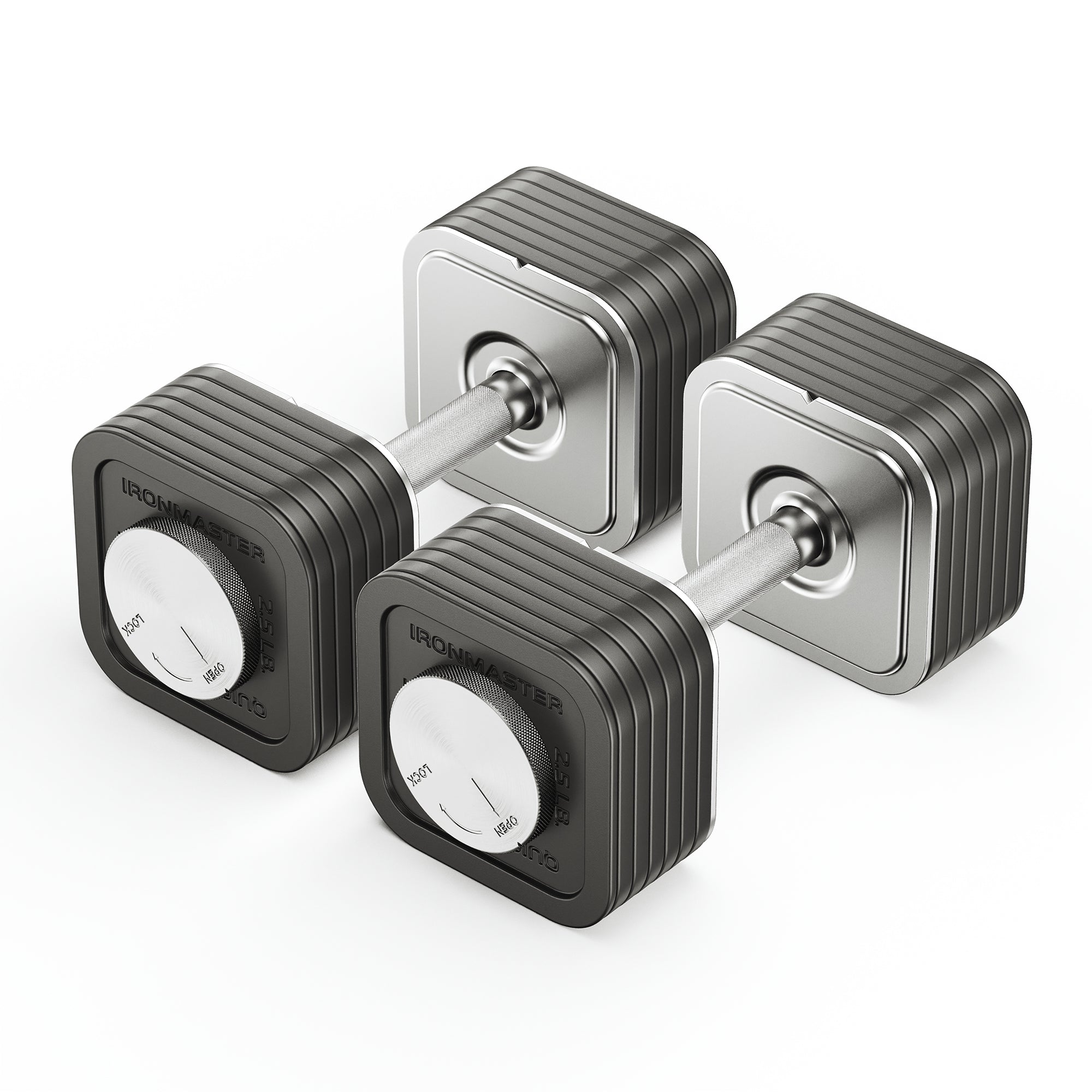
Ironmaster Quick-Lock 75 lb pair — no stand
Straight sets with time to reload suit the manual design. The 75 lb range is useful immediately, with 120 and 165 lb kits available when heavier work justifies them.
Specifications & buying optionsSources & further reading
Checked 17 Oct 2026. The links below identify the sources used for this article.
- Product Safety Australia — second-hand and private sales
- Queensland Office of Fair Trading — second-hand goods
- Product Safety Australia — recalls and unsafe products
- Concept2 — RowErg maintenance
- Energy Safe Victoria — electrical appliance safety
- Concept2 Australia — manuals, schematics and repair instructions
- Gym and Fitness — assembly and preorder questions