Ellipticals, cross trainers and stair climbers
Stride length, pedal movement, step height and ceiling clearance across three different machine formats.
An elliptical fixes your feet to a moving pedal path; a revolving stair climber presents descending steps. Compare the motion you want first, then measure the rider at the highest point. Machine height alone does not establish ceiling clearance.
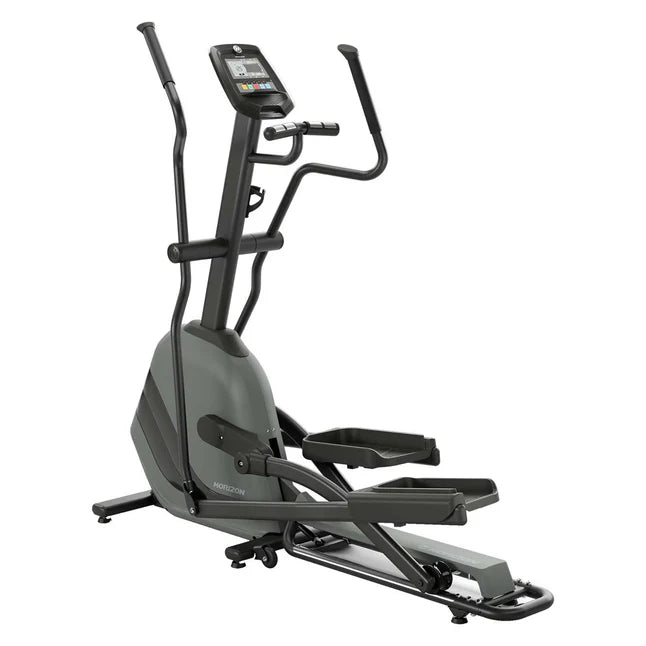
A front-drive cross trainer with a 50.8 cm stride and folding frame. Resistance adjusts electronically through sixteen settings.
Photo: Johnson Fitness Australia / Horizon. Product image supplied on the linked Australian listing.Identify the movement before the feature list
A cross trainer, commonly called an elliptical, guides the feet through an oval path while many models also move the arms. A revolving stair climber uses an actual loop of steps. A two-pedal stepper is another format again: its pedals rise and fall without presenting a staircase. Retailers sometimes group these machines together, so inspect the mechanism.
| Machine | Specified adjustment | Check in person |
|---|---|---|
| Horizon Andes 3.1 | Fixed 50.8 cm stride; folding frame | Stride and moving-pedal clearance |
| Sole E35 | Incline and three pedal angles; fixed stride | Comfort at the intended ramp and pedal settings |
| Lifespan ST-10 | Powered revolving steps | Entry, standing height and stop controls |
Sources: Horizon Andes 3.1 Australian specifications · Sole E35 Australian specifications · Lifespan ST-10 specifications
Stride length and pedal adjustment
Elliptical stride length describes the travel of the foot platform. It does not describe the distance between the pedals, the width of the platform or how steeply it rises. Those features affect how the motion fits your body, so a single headline stride measurement cannot settle the choice.
The Andes 3.1 lists a fixed 50.8 cm stride. The E35 lists three pedal-angle settings but explicitly says its stride is not adjustable. Pedal angle, resistance and incline are therefore separate adjustments. Ask the demonstrator to show each one and check that you remain comfortable through a full cycle at the settings you would use.
Sources: Horizon Andes 3.1 Australian specifications · Sole E35 Australian specifications
Measure above and around the moving pedals
You stand higher than floor level on either type. Add the rider’s height to the machine’s maximum standing position and allow the clearance required by its instructions. A step-on height is the point used to board a machine; it may not be the highest point reached during movement. Ceiling fans, lights and sloping roofs also affect the available space.
The Andes 3.1 lists a 26.6 cm step-on height, while the ST-10’s overall frame reaches 195 cm. Neither measurement alone establishes that a tall user can operate it under a particular ceiling. Obtain the maximum pedal or step position and test the proposed layout before placing a bulky order.
Sources: Horizon Andes 3.1 Australian specifications · Lifespan ST-10 specifications · Lifespan ST-10 owner manual
Compare speed, resistance and the delivery job
For an elliptical, resistance describes the braking setting; on a powered stair machine, speed is meaningfully expressed in steps per minute. Lifespan specifies 24–164 steps per minute for the ST-10. A label such as level ten is meaningful only within that machine’s own range.
Also distinguish the assembled footprint from storage dimensions. An elliptical that folds still needs room for its moving handles and pedals when open. A stair machine can be narrow yet extremely heavy. ST-10’s listed 160 kg mass should prompt a delivery and assembly plan covering doors, turns, stairs and the final room, rather than a kerbside freight price alone.
Sources: Horizon Andes 3.1 Australian specifications · Lifespan ST-10 specifications
Support and controls are part of the purchase
Ask how to start, slow and stop the machine, and have the seller demonstrate any emergency-stop system. The ST-10 manual requires checking its stop controls and lower photoelectric sensor. Sensors need to stay clean and correctly positioned; they are part of routine ownership rather than a reason to ignore the operating instructions.
Check the Australian power connection, service coverage and use limits in the actual warranty. Sole’s E35 listing, for example, qualifies its domestic warranty by daily use. Keep a copy of those terms and the model code. If different page sections disagree on a program count or boxed weight, resolve that with the seller before using it to compare packages.
Sources: Sole E35 Australian specifications · Lifespan ST-10 owner manual
Models mentioned in this article
Horizon Andes 3.1 Elliptical
Worth trying if a fixed-length elliptical suits your stride and you need to fold the machine after use.
Specifications & buying options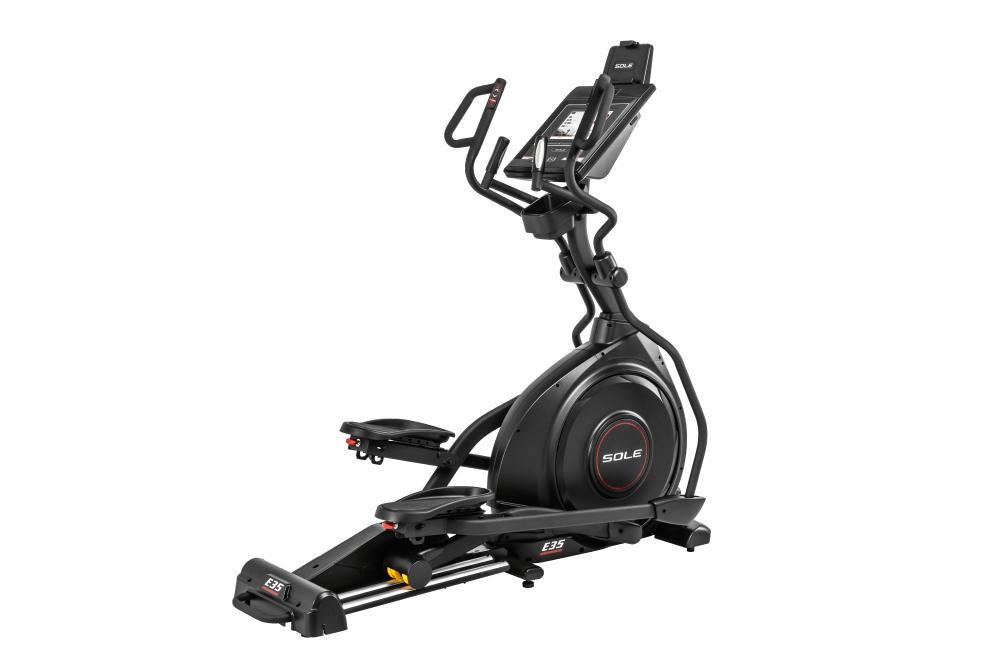
Sole E35 Cross Trainer — Australian SOL0080
Consider it when adjustable ramp and pedal settings matter more than folding storage. Try those settings with your own shoes.
Specifications & buying options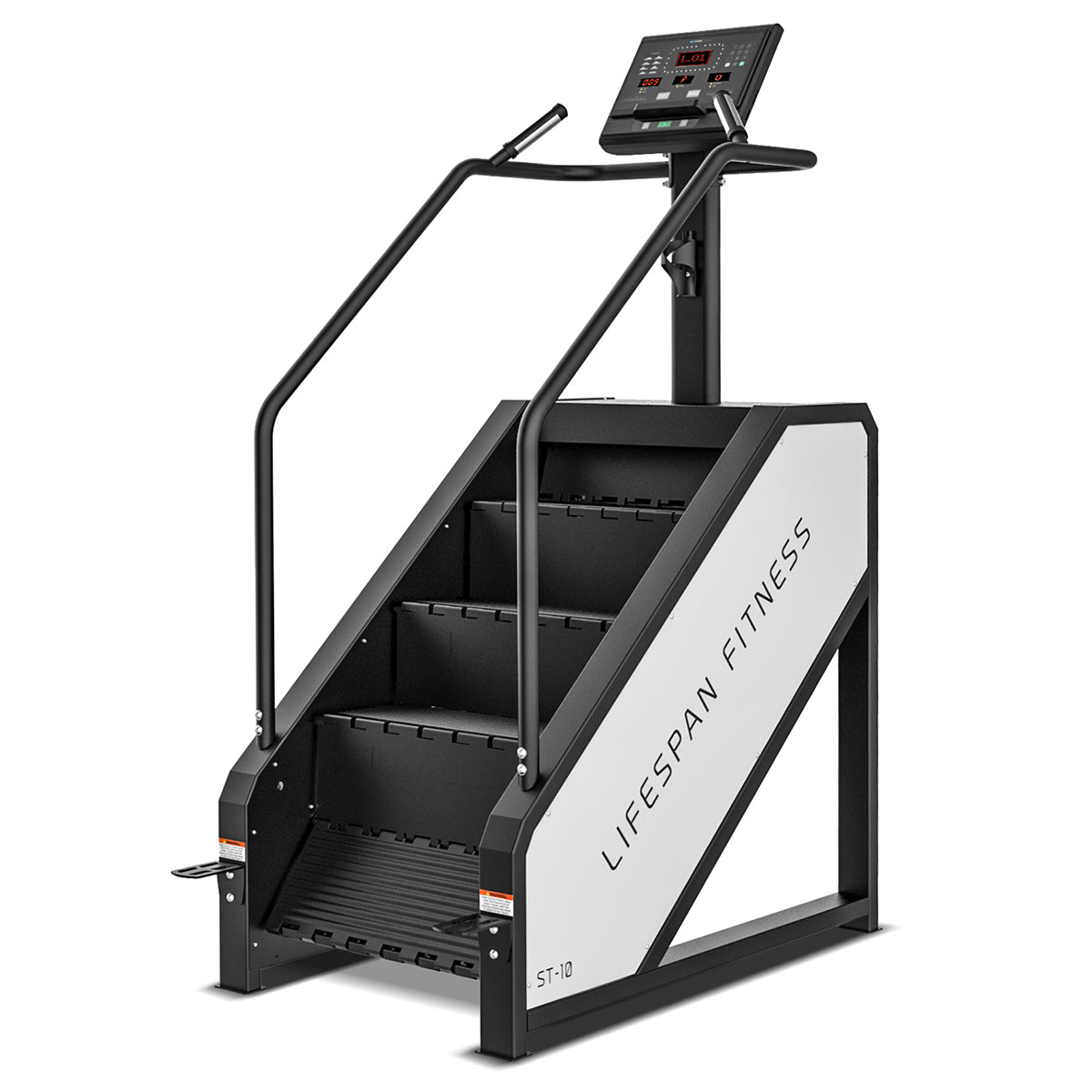
Lifespan Fitness ST-10 Stair Climber
For a dedicated room where you want continuous stair climbing and can arrange delivery into the final position.
Specifications & buying optionsSources & further reading
Checked 17 Oct 2026. The links below identify the sources used for this article.