G20’s larger stacks do not settle handle resistance
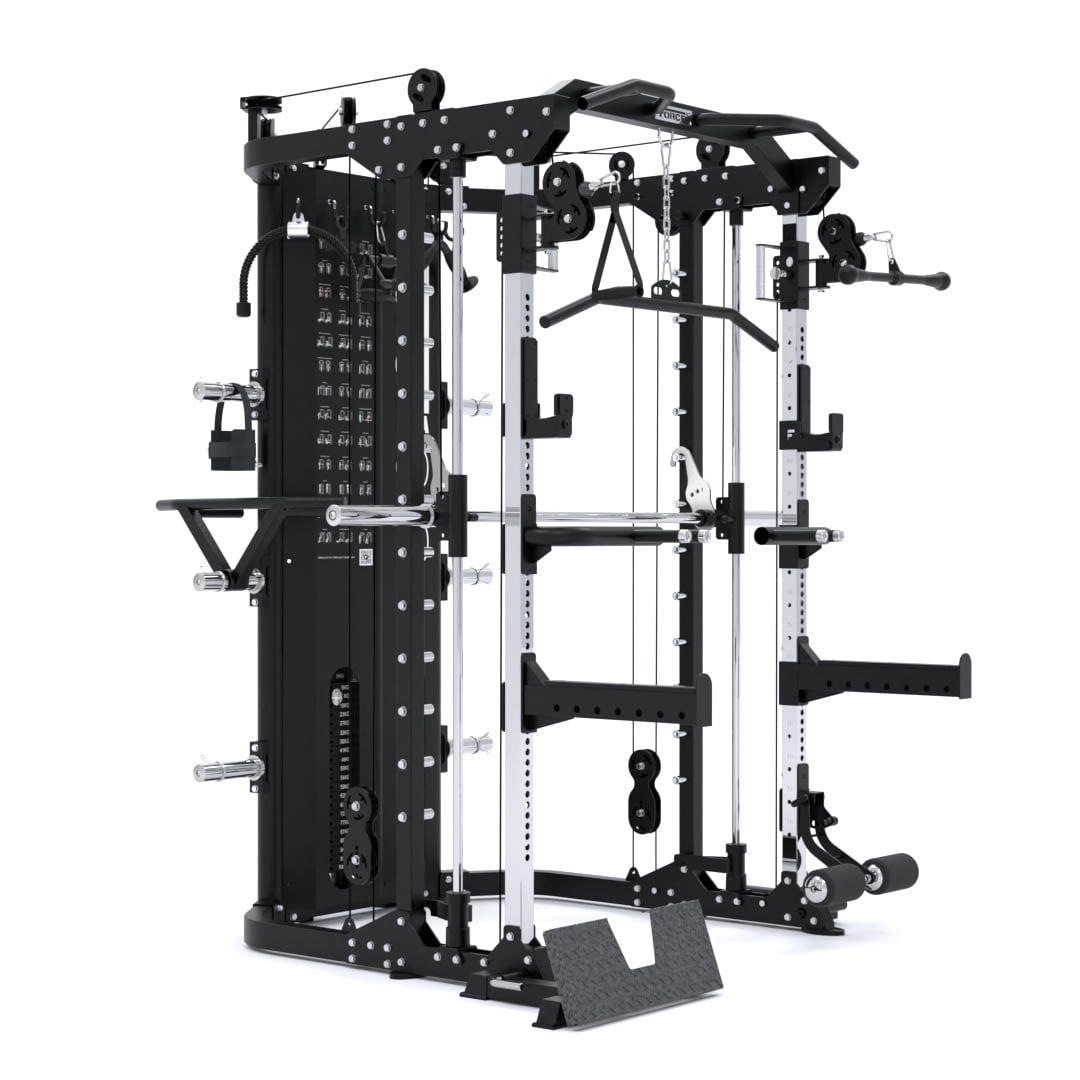
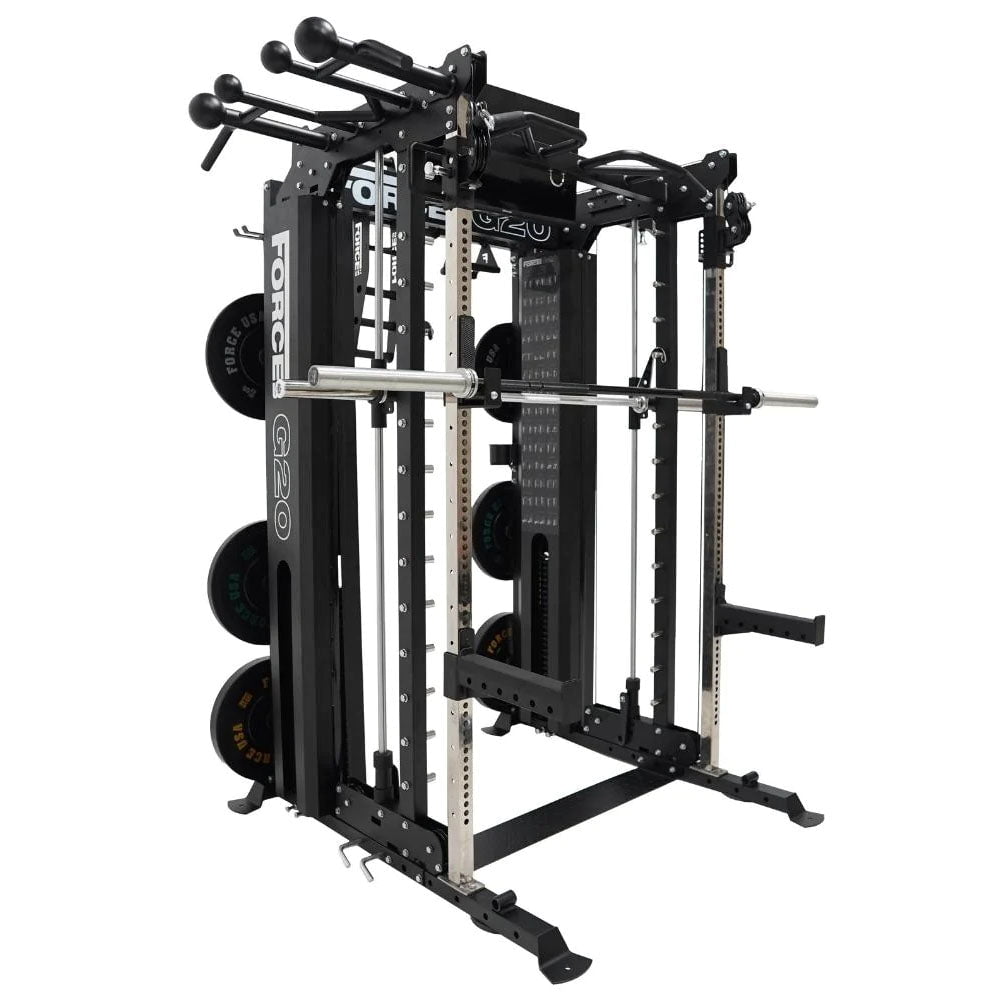
G20 Pro has two 130 kg stacks running at 2:1, so each handle has a nominal 65 kg maximum. G12 runs at 1:1. Its selected stack changes therefore reach the handle in full; G20’s are halved. Choose the ratio around both your heaviest cable exercise and the size of increase you want between sets.
The G12’s published stack mass and footprint are inconsistent across the seller’s pages. A written configuration from Gym and Fitness is necessary before paying or committing floor space. That unresolved package detail is more consequential than a count of advertised exercise stations.
The extra stations need somewhere to operate
G20 Pro occupies 190 × 169 × 230 cm before exercise space. Using its swing arm adds 152.4 cm to one side. If a bag or rope trainer is the reason to upgrade, reserve that area in the layout. At a listed 620 kg machine mass, its delivery and assembly belong in the purchase decision from the beginning.
- Allow access to load the Smith and move a bench through the working area.
- Give the swing arm its full side clearance if you intend to use it.
- Specify placement and assembly in the delivery quote for the supplied configuration.
Build around the equipment you already own
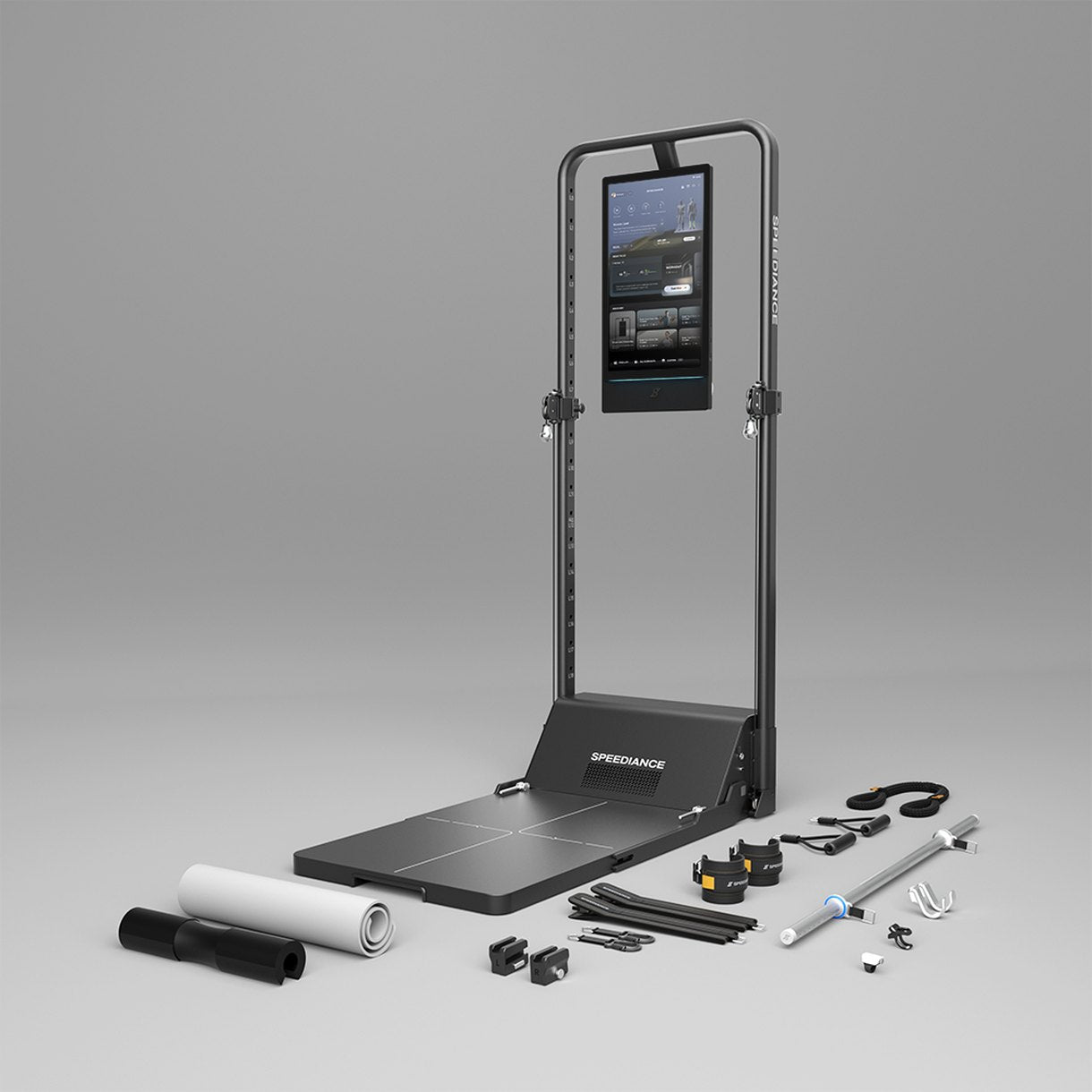
Both machines combine rack, Smith and cable functions and include a leg-press footplate. Their weight stacks do not provide the Olympic plates needed on the Smith. Reuse suitable plates, a bench and a free barbell instead of paying for duplicates. Gym and Fitness lists both machines in Australia, making two itemised delivered quotes the appropriate starting point.
For a gym whose existing Smith already does the job, first identify what the replacement would add. A separate cable station can address a missing function without replacing the whole strength setup. G20 Pro deserves the larger installation when its particular stations will be used regularly; buying it to collect unused options is poor value at any budget.